
From Orchard to Jar: How Is Apple Muraba Made?

Introduction

Apple muraba, a delightful fruit preserve with a history rooted in tradition, has been savored by generations worldwide. This sweet and tangy delight is a delicious treat and a testament to the art of preserving fruits. This article will take you through the fascinating journey of making apple muraba, from the orchard to the jar.
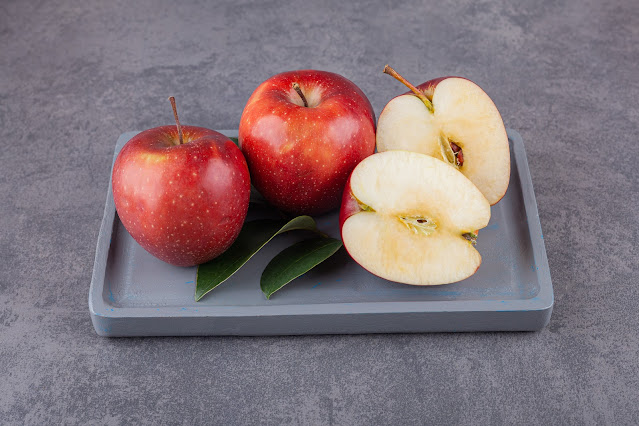
 

Apple Muraba

I. Selecting the Perfect Apples

The process of making apple muraba starts with selecting suitable apples. The choice of apple variety plays a crucial role in determining the flavor and texture of the final product. Ideally, sweet-tart apples like Granny Smith or Honeycrisp are preferred for their crispness and balanced flavor.

II. Washing and Peeling

Once the apples are selected, they are thoroughly washed to remove dirt or residue. Depending on personal preference, the apples can be peeled or left unpeeled. Peeling the apples results in a smoother texture while leaving the peel on can add a hint of color and texture to the Apple Muraba.

III. Core and Slice

After washing and peeling, the apples are cored to remove the seeds and pith. Then, they are sliced into even pieces or wedges. Uniformly sized chunks ensure even cooking and a consistent texture in the muraba.

IV. Cooking the Apples

The sliced apples are placed in a large pot, and sugar is added to sweeten the mixture. The pool is heated over medium-low heat, allowing the apples to release their natural juices. As the apples cook, they become tender, and the sugar creates a syrupy consistency.

V. Adding Flavors

Various ingredients can be added to enhance the flavor of the apple muraba. Common additions include cinnamon sticks, cloves, or lemon zest. These ingredients infuse the muraba with a delightful aroma and additional layers of taste.

VI. Simmering to Perfection

The apple mixture is simmered gently, thickening and developing its characteristic flavor. Depending on the desired consistency, this process can take 30 minutes to an hour.

VII. Testing for Doneness

A small amount can be placed on a cold plate to determine if the muraba is ready. If it sets and doesn't run when tilted, it's ready to be canned. If not, it needs a bit more cooking time Desi Dawakhana Near Me.

VIII. Canning the Muraba

The hot apple muraba is carefully ladled into sterilized glass jars. It's essential to ensure the jars are properly sealed to prevent spoilage. The heat from the muraba creates a vacuum seal as the jars cool.

IX. Storing and Enjoying

Once the jars have cooled, they can be stored in a cool, dark place for several months, if not longer. Apple muraba can be enjoyed on its own, spread on toast, or used as a versatile ingredient in various recipes.

Conclusion

The journey from orchard to jar when making apple muraba is a labor of love and patience. This cherished preserve captures the essence of ripe apples and preserves the memories of tradition and culture. Whether enjoyed as a sweet condiment or a versatile ingredient, apple muraba is a testament to the culinary art of maintaining nature's goodness.


Comments

Popular posts from this blog

Comparative Study on Selecting an Appropriate Herbal Immunity Kit

Introduction For optimal health and immunity, many individuals turn to natural solutions and supplements - including herbal immunity kits - which may seem daunting at first. Here, we make it easier by conducting a comparison between them all so that you can make an informed decision. Understanding Herbal Immunity Kits for the Body Before diving deeper into this subject, it's essential that we first gain an understanding of what a typical herbal immunity kit entails. They typically consist of anti-inflammatory herbs and treatments as well as additional components. Some common components include: Echinacea is an herb known for strengthening immune systems, shortening duration, and relieving the severity of symptoms. Astragalus is an adaptogenic herb which boosts immunity and assists the body in adapting to stress. Elderberry contains antioxidants which may help soothe flu and cold symptoms naturally, making it an excellent natural remedy. Garlic has long been revered for its antimicr...

A Comprehensive Approach: Combining Therapy and Medication for Paralysis

  Paralysis is a condition that affects millions of people worldwide. It is characterized by the loss of muscle function, often resulting in limited mobility and decreased quality of life. Various factors, including injury, disease, or damage to the nervous system, can cause paralysis. While there is no cure for paralysis, there are treatments available that can help patients manage their symptoms and improve their overall well-being. One approach that has shown promise in treating paralysis is the combination of therapy and medication. This comprehensive approach uses various techniques to stimulate the nervous system and promote recovery. In this article, we'll look at how this approach works and some of the benefits it offers to those living with paralysis. Understanding Paralysis: Before we dive into the details of therapy and medication for paralysis, we must have a basic understanding of what paralysis is and how it affects the body. Paralysis occurs when the nerve cells that...

From Garden to Recovery: Herbal Treatments for Dengue Fever

Introduction:   Dengue fever, a mosquito-borne viral illness, can cause severe flu-like symptoms and lead to complications if not managed properly. While medical care remains essential, herbal treatments have been explored for their potential to alleviate symptoms and support recovery. This article delves into the world of herbal remedies for dengue fever, highlighting nature's healing power and its role in the recovery process. I. Understanding Dengue Fever A brief overview of dengue fever, its symptoms, and the importance of seeking medical attention. II. Herbal Remedies in Traditional Medicine Exploring the historical use of herbs in treating viral illnesses: Neem (Azadirachta indica) : Discussing neem's antiviral and immune-boosting properties that can support dengue recovery. Papaya Leaf (Carica papaya) : Exploring the potential of papaya leaf extract in boosting platelet count, a crucial concern in dengue cases. Andrographis (Andrographis paniculata) : Understanding it...