Indian cuisine is known for its rich spices, vibrant flavors, and various traditional desserts. One such dessert is Indian Gooseberry Murabba or amla murabba - a sweet and tangy preserve made from the fruit of the same name. This delicious treat has been enjoyed in India for centuries and is now gaining popularity in other parts of the world.
This article will explore the history, health benefits, and different ways to use and prepare Indian Gooseberry Murabba.
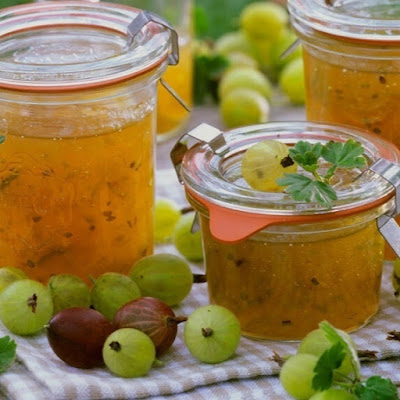
History of Indian Gooseberry Murabba:
Indian gooseberry or amla (Emblica officinalis) is a small, green fruit that grows on a tree native to India. It has been used in Ayurvedic medicine for centuries due to its numerous health benefits. Amla is highly nutritious, containing high levels of vitamin C, antioxidants, and polyphenols.
On the other hand, Murabba is a sweet preserve made by cooking fruits in sugar syrup. The word "murabba" comes from the Arabic word "murabb", which means "to preserve". Murabba was introduced to India during the Mughal era (1526-1857) and quickly became a popular dessert, especially among the nobility.
Over time, different types of Murabba were developed using various fruits, including mangoes, apricots, and apples. However, amla murabba remains one of the most popular and well-loved varieties.
Health Benefits of Indian Gooseberry Murabba:
Indian Gooseberry Murabba is not only delicious but also highly nutritious. Amla is packed with numerous health benefits and contains minerals and antioxidants. Let's take a look at some of the health benefits of this sweet treat:
Boosts Immunity:
Amla is rich in vitamin C, which helps boost the immune system and fight infections and diseases.
Improves Digestion:
Amla is high in fiber, which aids digestion and prevents constipation. It also contains enzymes that help break down food and promote gut health.
Lowers Cholesterol:
Amla has been shown to lower cholesterol levels in the blood, reducing the risk of heart disease.
Enhances Skin Health:
The antioxidants present in amla help protect the skin from damage caused by free radicals and UV rays. It also promotes collagen production, essential for maintaining youthful and healthy-looking skin.
Regulates Blood Sugar:
Amla has anti-diabetic properties, which help regulate blood sugar levels and prevent spikes and crashes.
Different Ways to Use and Prepare Indian Gooseberry Murabba
Indian gooseberry murabba can be enjoyed in a variety of ways. Here are some other ways to use and prepare this sweet and tangy delight:
As a Spread: Indian gooseberry murabba can be used as a spread on toast or crackers. It pairs well with cheese, nut butter, or cream cheese.
With Yogurt:
Amla murabba can be mixed with plain yogurt for a quick, healthy breakfast or snack. Add some granola or nuts for crunch.
In Smoothies:
Blend a spoonful of amla murabba into your favorite smoothie for extra flavor and nutrition.
With Ice Cream:
Drizzle some amla murabba over vanilla ice cream for a unique and delicious dessert.
In Baked Goods:
Use amla murabba to fill pastries, cakes, or pies for a sweet and tangy twist.
How to Make Indian Gooseberry Murabba at Home:
Making Indian gooseberry murabba at home is surprisingly easy and requires only a few ingredients. Here's how to make it:
Ingredients:
500g fresh Indian gooseberries
500g sugar
250ml water
2-3 cardamom pods (optional)
1 tsp rose water (optional)
Instructions:
Wash the gooseberries and pat them dry with a cloth.
Using a fork or toothpick, prick the gooseberries to help them absorb the sugar syrup.
In a pot, combine the sugar and water and boil, stirring until the sugar dissolves.
Add the gooseberries and cardamom pods (if using) to the pot and cook on medium heat for 15-20 minutes or until the gooseberries turn translucent and soft.
Turn off the heat and stir in the rose water (if using).
Let the Murabba cool completely before transferring it to a clean, airtight container. It will keep for several months if stored in the refrigerator.
Conclusion
Indian gooseberry murabba is a delicious and nutritious treat enjoyed in India for centuries.Buy Herbal Medicine It is a versatile dessert that can be used in various ways, including as a spread, with yogurt, in smoothies, with ice cream, and in baked goods. Making amla murabba at home is easy and requires minimal ingredients. Besides its delicious taste, Indian gooseberry murabba also offers numerous health benefits. It is packed with vitamin C, antioxidants, and fiber, which help boost immunity, improve digestion, lower cholesterol, enhance skin health, and regulate blood sugar levels. In conclusion, Indian gooseberry murabba is a sweet and tangy delight that should be on everyone's radar. Whether you make it at home or purchase it from a store, this traditional Indian dessert will surely please your taste buds while providing numerous health benefits. So why not try it and see what the fuss is all about?

Comments
Post a Comment